For a brief but unforgettable moment in the late 1980s, Corey Haim was one of the brightest young stars in Hollywood.
His face appeared on magazine covers, posters hung in teenage bedrooms, and his performances defined a generation of moviegoers who saw in him something warm, relatable, and deeply genuine.
He had a sweetness that made millions adore him — the kind of innocent energy only a young actor with extraordinary natural charm could project.
But behind the flashing cameras, behind the scenes on movie sets, and behind the glamorous image of a rising superstar, Corey Haim was slowly being pulled into a world of pressures no child should ever have to face.
A Gifted Child From Toronto
Corey Ian Haim was born on December 23, 1971, in Toronto, Canada.
He was a shy, sensitive, soft-spoken child who struggled with confidence. His parents, hoping to help him open up, enrolled him in acting lessons.

What began as a confidence-building exercise quickly revealed something far greater: Corey had a natural gift.
He picked up techniques quickly. He felt at home in front of the camera. Within a short time, he was booking commercials, and by age 10 he had landed a recurring role on The Edison Twins, a popular CBC show.
Even then, industry professionals noticed something special in him — a spark that separated him from other young actors.
The First Major Breakthrough
In 1984, Corey earned his first major film role in Firstborn, playing Brian, a vulnerable child caught in a whirlwind of family dysfunction.
His performance earned critical praise for being deeply emotional and shockingly mature for someone so young.
Film critic Roger Ebert, one of the most respected voices in cinema, wrote that Corey was: “One of the most interesting young actors in the industry… He is that good.”
For any actor — especially a child — this level of praise was monumental. And Corey continued to rise.
Lucas and the Performance That Defined Him
In 1986, Corey took on the lead role in Lucas, a tender coming-of-age story that remains one of his most beloved works.
He played Lucas Bly, an awkward but lovable teenager navigating friendship, heartbreak, and growing up.
His performance was so honest and emotionally pure that it resonated far beyond the teen-movie crowd.
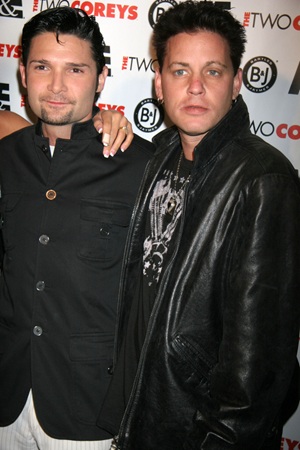
Many still consider Lucas his greatest performance — the moment when Corey Haim stopped being “a child actor” and became an artist.
♂️ Global Fame Arrives: The Lost Boys
Then came The Lost Boys (1987), the stylish cult-classic vampire movie that cemented his place as an ’80s icon.
Starring alongside Corey Feldman, Kiefer Sutherland, and Jason Patric, Haim became part of one of the most popular teen duos of the decade — “The Two Coreys.”
Practically overnight:
-
he became a heartthrob
-
fan clubs formed around the world
-
studios pushed him into high-profile roles
-
teenage girls sent thousands of letters a month
-
magazines fought to put him on their covers
Corey’s life changed completely. Fame came fast — too fast — and with it came temptations and dangers he wasn’t ready for.
The Dark Spiral Behind the Fame
Like many young stars before him, Corey had little protection from the darker side of Hollywood.
Behind the glamour and adoration was an industry filled with adults who pushed, manipulated, and at times even exploited vulnerable young performers.
By age 14, while filming Lucas, Corey reportedly began experimenting with alcohol. By 1987, during The Lost Boys, drugs had already entered his life.
After moving to Los Angeles, things got worse.

He became a regular at Alphy’s Soda Pop Club, a now-infamous underage Hollywood nightclub where many child actors were exposed to:
-
predators
-
alcohol
-
drugs
-
exploitation
-
unsafe environments
Corey was barely a teenager — yet surrounded by adults who did not act like guardians, mentors, or protectors, but like people who saw opportunity in his fame.
⚠️ The Addiction Years
According to Corey Feldman and numerous reports, Haim’s drug use escalated through his teens:
He used:
-
marijuana
-
cocaine
-
crack cocaine
-
pills prescribed by multiple doctors
By 18, Corey entered rehab for the first time.
But he later described himself as a “chronic relapser,” someone who fought bravely but was repeatedly overwhelmed by addiction.
At one point, he reportedly took up to 85 pills a day, a staggering and dangerous amount that would have challenged any adult — let alone someone barely out of childhood.
Those who worked with him saw how addiction consumed him.
Therapist Dr. Nicki J. Monte said: “He had a tremendous saboteur inside him… he was never able to break the spell of addiction.”
The pressures of fame, the trauma he carried, and the lack of emotional support created a storm he couldn’t escape.
Financial Ruin and Desperation
As jobs disappeared, Corey’s finances crumbled. He filed for bankruptcy in 1997.
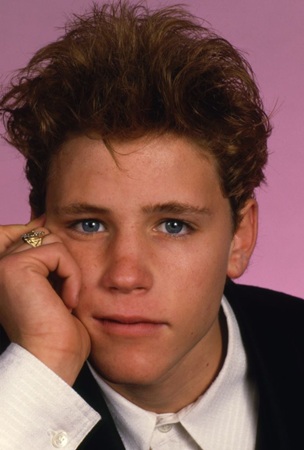
His listed assets were heartbreaking:
-
$100 in cash
-
clothing worth $750
-
a rundown 1987 BMW
-
residuals worth $7,500
Reports circulated that he had attempted to sell personal items — even teeth and hair — out of desperation, though some of these attempts may have been influenced by those who controlled his finances.
He moved into a modest apartment above a garage with his mother, Judy, who tried her best to help her son.
The world saw a fallen star.
But behind the scenes was a young man struggling with pain, shame, and deep emotional wounds.
️ Trauma That Hollywood Ignored
Years later, allegations of sexual abuse emerged — allegations that shook Hollywood.
Corey Feldman has claimed repeatedly that both he and Haim were victims of an underground network of predators.
While the full extent of these claims remains debated, Corey Haim’s mother confirmed that her son had indeed been abused once by an older man.
In My Truth: The Rape of Two Coreys, Feldman alleged that Haim had confided in him about being raped at 13 by actor Charlie Sheen on the set of Lucas.
Sheen has strongly denied the accusations multiple times.
Regardless of the conflict over details, one fact remains true:
Corey carried trauma.
Trauma that shaped his life, his fears, his addictions, and his emotional battles.
Hollywood failed him — as it has failed many child stars.
A Final Attempt at Redemption
In his later years, Corey tried to rebuild his career. He desperately wanted to work again, to reclaim what had slipped away.
He even took out an ad in Variety, pleading for a second chance: “This is not a stunt. I’m back. I’m ready to work.”
But by then, years of substance abuse had ravaged his health.
For nearly three and a half years, he barely left his apartment. His weight doubled.
His depression deepened. His life became a cycle of isolation, pain, and medication.
️ The Tragic End
On March 10, 2010, at only 38 years old, Corey Haim died.
Police initially suspected an overdose — bottles of Valium, Vicodin, Soma, and Haloperidol were found in his home. But the official autopsy determined the cause of death was:
⇒ pneumonia
Still, the details surrounding his final month were disturbing:
Corey had obtained 553 prescription pills in 32 days, using multiple pharmacies and false names.
He was sick. Vulnerable. And deeply alone.
Hollywood mourned. Fans mourned. A generation that grew up watching him felt the loss deeply.
Why Corey Haim’s Story Still Matters
Corey Haim isn’t remembered as a failure.
He isn’t remembered as a cautionary tale.
He is remembered as a beautiful soul who loved acting, loved people, and loved bringing joy to others — but who was deeply hurt by an industry that celebrated him on screen but abandoned him behind the scenes.
His story is a reminder that:
-
child fame can be dangerous
-
addiction is a disease, not a moral failing
-
trauma leaves invisible wounds
-
Hollywood must do better
-
icons are human beings, with fragile hearts and real struggles
And above all:
Even the brightest stars can fall — but the light they leave behind never fully fades.
Corey Haim’s performances in Lucas, The Lost Boys, Silver Bullet, License to Drive, and many others continue to entertain and comfort millions today.
He brought joy to the world.
He made people laugh, dream, and feel understood.
He deserved more protection, more compassion, and more support than he ever received.
❤️ If you admired Corey Haim, remembering his story keeps his legacy alive.
Because even though he left this world too soon, the boy with the gentle smile, the gifted talent, and the hopeful spirit
still lives on in the hearts of everyone who loved him.
For a brief but unforgettable moment in the late 1980s, Corey Haim was one of the brightest young stars in Hollywood.
His face appeared on magazine covers, posters hung in teenage bedrooms, and his performances defined a generation of moviegoers who saw in him something warm, relatable, and deeply genuine.
He had a sweetness that made millions adore him — the kind of innocent energy only a young actor with extraordinary natural charm could project.
But behind the flashing cameras, behind the scenes on movie sets, and behind the glamorous image of a rising superstar, Corey Haim was slowly being pulled into a world of pressures no child should ever have to face.
A Gifted Child From Toronto
Corey Ian Haim was born on December 23, 1971, in Toronto, Canada.
He was a shy, sensitive, soft-spoken child who struggled with confidence. His parents, hoping to help him open up, enrolled him in acting lessons.
What began as a confidence-building exercise quickly revealed something far greater: Corey had a natural gift.
He picked up techniques quickly. He felt at home in front of the camera. Within a short time, he was booking commercials, and by age 10 he had landed a recurring role on The Edison Twins, a popular CBC show.
Even then, industry professionals noticed something special in him — a spark that separated him from other young actors.
The First Major Breakthrough
In 1984, Corey earned his first major film role in Firstborn, playing Brian, a vulnerable child caught in a whirlwind of family dysfunction.
His performance earned critical praise for being deeply emotional and shockingly mature for someone so young.
Film critic Roger Ebert, one of the most respected voices in cinema, wrote that Corey was: “One of the most interesting young actors in the industry… He is that good.”
For any actor — especially a child — this level of praise was monumental. And Corey continued to rise.
Lucas and the Performance That Defined Him
In 1986, Corey took on the lead role in Lucas, a tender coming-of-age story that remains one of his most beloved works.
He played Lucas Bly, an awkward but lovable teenager navigating friendship, heartbreak, and growing up.
His performance was so honest and emotionally pure that it resonated far beyond the teen-movie crowd.
Many still consider Lucas his greatest performance — the moment when Corey Haim stopped being “a child actor” and became an artist.
♂️ Global Fame Arrives: The Lost Boys
Then came The Lost Boys (1987), the stylish cult-classic vampire movie that cemented his place as an ’80s icon.
Starring alongside Corey Feldman, Kiefer Sutherland, and Jason Patric, Haim became part of one of the most popular teen duos of the decade — “The Two Coreys.”
Practically overnight:
-
he became a heartthrob
-
fan clubs formed around the world
-
studios pushed him into high-profile roles
-
teenage girls sent thousands of letters a month
-
magazines fought to put him on their covers
Corey’s life changed completely. Fame came fast — too fast — and with it came temptations and dangers he wasn’t ready for.
The Dark Spiral Behind the Fame
Like many young stars before him, Corey had little protection from the darker side of Hollywood.
Behind the glamour and adoration was an industry filled with adults who pushed, manipulated, and at times even exploited vulnerable young performers.
By age 14, while filming Lucas, Corey reportedly began experimenting with alcohol. By 1987, during The Lost Boys, drugs had already entered his life.
After moving to Los Angeles, things got worse.
He became a regular at Alphy’s Soda Pop Club, a now-infamous underage Hollywood nightclub where many child actors were exposed to:
-
predators
-
alcohol
-
drugs
-
exploitation
-
unsafe environments
Corey was barely a teenager — yet surrounded by adults who did not act like guardians, mentors, or protectors, but like people who saw opportunity in his fame.
⚠️ The Addiction Years
According to Corey Feldman and numerous reports, Haim’s drug use escalated through his teens:
He used:
-
marijuana
-
cocaine
-
crack cocaine
-
pills prescribed by multiple doctors
By 18, Corey entered rehab for the first time.
But he later described himself as a “chronic relapser,” someone who fought bravely but was repeatedly overwhelmed by addiction.
At one point, he reportedly took up to 85 pills a day, a staggering and dangerous amount that would have challenged any adult — let alone someone barely out of childhood.
Those who worked with him saw how addiction consumed him.
Therapist Dr. Nicki J. Monte said: “He had a tremendous saboteur inside him… he was never able to break the spell of addiction.”
The pressures of fame, the trauma he carried, and the lack of emotional support created a storm he couldn’t escape.
Financial Ruin and Desperation
As jobs disappeared, Corey’s finances crumbled. He filed for bankruptcy in 1997.
His listed assets were heartbreaking:
-
$100 in cash
-
clothing worth $750
-
a rundown 1987 BMW
-
residuals worth $7,500
Reports circulated that he had attempted to sell personal items — even teeth and hair — out of desperation, though some of these attempts may have been influenced by those who controlled his finances.
He moved into a modest apartment above a garage with his mother, Judy, who tried her best to help her son.
The world saw a fallen star.
But behind the scenes was a young man struggling with pain, shame, and deep emotional wounds.
️ Trauma That Hollywood Ignored
Years later, allegations of sexual abuse emerged — allegations that shook Hollywood.
Corey Feldman has claimed repeatedly that both he and Haim were victims of an underground network of predators.
While the full extent of these claims remains debated, Corey Haim’s mother confirmed that her son had indeed been abused once by an older man.
In My Truth: The Rape of Two Coreys, Feldman alleged that Haim had confided in him about being raped at 13 by actor Charlie Sheen on the set of Lucas.
Sheen has strongly denied the accusations multiple times.
Regardless of the conflict over details, one fact remains true:
Corey carried trauma.
Trauma that shaped his life, his fears, his addictions, and his emotional battles.
Hollywood failed him — as it has failed many child stars.
A Final Attempt at Redemption
In his later years, Corey tried to rebuild his career. He desperately wanted to work again, to reclaim what had slipped away.
He even took out an ad in Variety, pleading for a second chance: “This is not a stunt. I’m back. I’m ready to work.”
But by then, years of substance abuse had ravaged his health.
For nearly three and a half years, he barely left his apartment. His weight doubled.
His depression deepened. His life became a cycle of isolation, pain, and medication.
️ The Tragic End
On March 10, 2010, at only 38 years old, Corey Haim died.
Police initially suspected an overdose — bottles of Valium, Vicodin, Soma, and Haloperidol were found in his home. But the official autopsy determined the cause of death was:
⇒ pneumonia
Still, the details surrounding his final month were disturbing:
Corey had obtained 553 prescription pills in 32 days, using multiple pharmacies and false names.
He was sick. Vulnerable. And deeply alone.
Hollywood mourned. Fans mourned. A generation that grew up watching him felt the loss deeply.
Why Corey Haim’s Story Still Matters
Corey Haim isn’t remembered as a failure.
He isn’t remembered as a cautionary tale.
He is remembered as a beautiful soul who loved acting, loved people, and loved bringing joy to others — but who was deeply hurt by an industry that celebrated him on screen but abandoned him behind the scenes.
His story is a reminder that:
-
child fame can be dangerous
-
addiction is a disease, not a moral failing
-
trauma leaves invisible wounds
-
Hollywood must do better
-
icons are human beings, with fragile hearts and real struggles
And above all:
Even the brightest stars can fall — but the light they leave behind never fully fades.
Corey Haim’s performances in Lucas, The Lost Boys, Silver Bullet, License to Drive, and many others continue to entertain and comfort millions today.
He brought joy to the world.
He made people laugh, dream, and feel understood.
He deserved more protection, more compassion, and more support than he ever received.
❤️ If you admired Corey Haim, remembering his story keeps his legacy alive.
Because even though he left this world too soon, the boy with the gentle smile, the gifted talent, and the hopeful spirit
still lives on in the hearts of everyone who loved him.
