Melania Trump has long been a figure who commands attention whenever she steps into the public eye. With her striking presence, poised demeanor, and history as a successful international model, she fits the mold of a classic fashion icon. Before her tenure as America’s First Lady, Melania graced runways and magazine pages across Europe and the United States, earning a reputation for elegance and sophistication. Given this background, one might expect her to be a regular fixture on the covers of the world’s most prestigious fashion magazines. Yet, surprisingly, Melania Trump has often been overlooked by many of the very publications that celebrate style and glamour.
When compared to her immediate predecessors in the White House, the disparity becomes especially apparent. Michelle Obama appeared on the cover of Vogue three times during her eight years as First Lady, often hailed for her fashion choices and her role as a modern style influencer. Jill Biden, within just four years in the role, has also appeared on two Vogue covers, signaling her embrace by the fashion establishment. Melania, however, has yet to grace the cover of major American editions of these iconic magazines. Her closest appearance on a notable cover was in 2017, when she was featured on the cover of Vanity Fair Mexico, while the U.S. editions of Vogue, Vanity Fair, and others largely gave her the cold shoulder.
Media insiders and industry experts have speculated that this exclusion is less about Melania’s sense of style or her credentials in the fashion world, and more about politics. According to reports, Mark Guiducci, Vanity Fair’s global editorial director, once seriously considered offering Melania a U.S. cover. However, the idea was met with internal backlash. Some editorial staff reportedly threatened to resign rather than participate in what they saw as an attempt to normalize the Trump presidency through fashion media. The sentiment among these dissenters was clear: they viewed Melania and her husband as controversial figures who should not be elevated or glamorized in such a way.
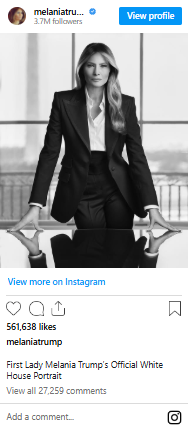
Despite this professional and public snub, Melania herself has reportedly handled the situation with remarkable grace. Close friends and sources reveal that she has long been accustomed to scrutiny and criticism throughout her life. From the early days of her public profile, Melania has faced challenges, including mockery over her accent, assumptions about her intelligence, and harsh jokes from late-night television hosts. Yet beneath the surface of the public perception lies a woman of considerable intellect and resilience. Fluent in five languages—Slovenian, English, French, Serbian, and German—Melania has built an independent life and career, navigating complex social and cultural landscapes with poise and determination.
Her story is a powerful example of how media narratives can sometimes miss the full picture. While major fashion magazines have largely sidelined her, millions of Americans continue to admire Melania Trump for her refined sense of style, her dignified public appearances, and her quiet strength. Supporters describe her as the epitome of elegance—someone who consistently dresses with sophistication, maintains a reserved and composed demeanor, and remains true to herself despite immense pressure. This unwavering commitment to personal authenticity has earned her respect from many who feel that the media’s treatment of her has been unfairly harsh.
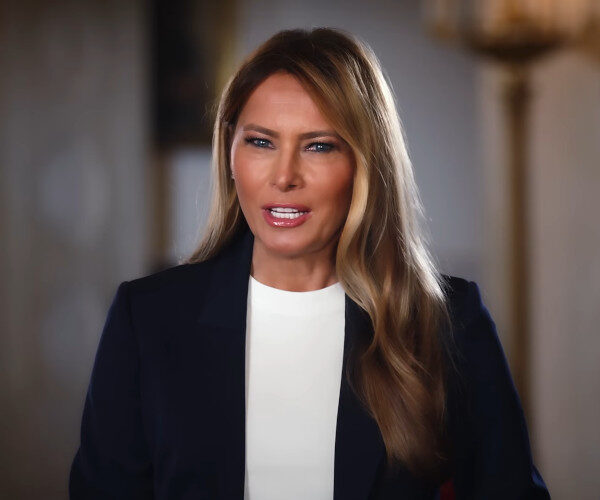
Experts studying media bias and cultural representation have weighed in on Melania’s experience as well. Caroline Downey, a senior fellow at the Independent Women’s Forum and founder of The Conservateur—a digital fashion magazine created to give conservative women a platform—has noted that right-leaning women in America often face disproportionate criticism and exclusion in mainstream culture, including in fashion media. According to Downey, Melania’s exclusion is symptomatic of a broader trend where conservative women’s contributions and style choices are undervalued or dismissed. The Conservateur seeks to change this narrative by highlighting women like Melania who embody elegance, intellect, and leadership but are frequently overlooked by popular media outlets.
Beyond her image and media portrayal, Melania’s legacy as First Lady includes several important initiatives and advocacies. She has championed causes focused on children’s well-being and cyberbullying through her “Be Best” campaign, emphasizing mental health and positive social behavior. Fluent in multiple languages, she has also represented the United States on international stages with a dignified presence that bridges cultures. Her ability to handle the relentless media scrutiny with calm and grace while focusing on her charitable work demonstrates a quiet but powerful form of influence.
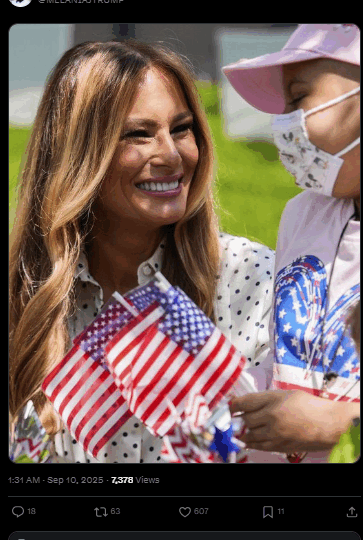
Many observers argue that if Michelle Obama and Jill Biden have been celebrated for their fashion and style in prestigious magazines, Melania Trump deserves equal recognition—not just for her elegance, but for her intelligence, resilience, and dedication to her causes. Her story is a reminder that true influence and grace are not always measured by how often one appears on a magazine cover or in headlines, but by the strength and authenticity one carries through life’s challenges.
In an era of polarized media and cultural divisions, Melania Trump’s journey illustrates the complexities faced by public figures who do not fit neatly into prevailing narratives. She continues to navigate her role with poise, speaking multiple languages, advocating for children, and maintaining her personal style. Whether or not the fashion industry fully embraces her, her supporters see her as a symbol of understated elegance and perseverance.
Ultimately, Melania Trump’s story challenges us to look beyond surface-level judgments and recognize the multifaceted nature of public figures. It encourages a broader conversation about how media representation intersects with politics, culture, and identity. While some headlines may have ignored her elegance, the legacy she is quietly building speaks volumes about strength, dignity, and the power of remaining true to oneself in the face of adversity.
Melania Trump has long been a figure who commands attention whenever she steps into the public eye. With her striking presence, poised demeanor, and history as a successful international model, she fits the mold of a classic fashion icon. Before her tenure as America’s First Lady, Melania graced runways and magazine pages across Europe and the United States, earning a reputation for elegance and sophistication. Given this background, one might expect her to be a regular fixture on the covers of the world’s most prestigious fashion magazines. Yet, surprisingly, Melania Trump has often been overlooked by many of the very publications that celebrate style and glamour.
When compared to her immediate predecessors in the White House, the disparity becomes especially apparent. Michelle Obama appeared on the cover of Vogue three times during her eight years as First Lady, often hailed for her fashion choices and her role as a modern style influencer. Jill Biden, within just four years in the role, has also appeared on two Vogue covers, signaling her embrace by the fashion establishment. Melania, however, has yet to grace the cover of major American editions of these iconic magazines. Her closest appearance on a notable cover was in 2017, when she was featured on the cover of Vanity Fair Mexico, while the U.S. editions of Vogue, Vanity Fair, and others largely gave her the cold shoulder.
Media insiders and industry experts have speculated that this exclusion is less about Melania’s sense of style or her credentials in the fashion world, and more about politics. According to reports, Mark Guiducci, Vanity Fair’s global editorial director, once seriously considered offering Melania a U.S. cover. However, the idea was met with internal backlash. Some editorial staff reportedly threatened to resign rather than participate in what they saw as an attempt to normalize the Trump presidency through fashion media. The sentiment among these dissenters was clear: they viewed Melania and her husband as controversial figures who should not be elevated or glamorized in such a way.
Despite this professional and public snub, Melania herself has reportedly handled the situation with remarkable grace. Close friends and sources reveal that she has long been accustomed to scrutiny and criticism throughout her life. From the early days of her public profile, Melania has faced challenges, including mockery over her accent, assumptions about her intelligence, and harsh jokes from late-night television hosts. Yet beneath the surface of the public perception lies a woman of considerable intellect and resilience. Fluent in five languages—Slovenian, English, French, Serbian, and German—Melania has built an independent life and career, navigating complex social and cultural landscapes with poise and determination.
Her story is a powerful example of how media narratives can sometimes miss the full picture. While major fashion magazines have largely sidelined her, millions of Americans continue to admire Melania Trump for her refined sense of style, her dignified public appearances, and her quiet strength. Supporters describe her as the epitome of elegance—someone who consistently dresses with sophistication, maintains a reserved and composed demeanor, and remains true to herself despite immense pressure. This unwavering commitment to personal authenticity has earned her respect from many who feel that the media’s treatment of her has been unfairly harsh.
Experts studying media bias and cultural representation have weighed in on Melania’s experience as well. Caroline Downey, a senior fellow at the Independent Women’s Forum and founder of The Conservateur—a digital fashion magazine created to give conservative women a platform—has noted that right-leaning women in America often face disproportionate criticism and exclusion in mainstream culture, including in fashion media. According to Downey, Melania’s exclusion is symptomatic of a broader trend where conservative women’s contributions and style choices are undervalued or dismissed. The Conservateur seeks to change this narrative by highlighting women like Melania who embody elegance, intellect, and leadership but are frequently overlooked by popular media outlets.
Beyond her image and media portrayal, Melania’s legacy as First Lady includes several important initiatives and advocacies. She has championed causes focused on children’s well-being and cyberbullying through her “Be Best” campaign, emphasizing mental health and positive social behavior. Fluent in multiple languages, she has also represented the United States on international stages with a dignified presence that bridges cultures. Her ability to handle the relentless media scrutiny with calm and grace while focusing on her charitable work demonstrates a quiet but powerful form of influence.
Many observers argue that if Michelle Obama and Jill Biden have been celebrated for their fashion and style in prestigious magazines, Melania Trump deserves equal recognition—not just for her elegance, but for her intelligence, resilience, and dedication to her causes. Her story is a reminder that true influence and grace are not always measured by how often one appears on a magazine cover or in headlines, but by the strength and authenticity one carries through life’s challenges.
In an era of polarized media and cultural divisions, Melania Trump’s journey illustrates the complexities faced by public figures who do not fit neatly into prevailing narratives. She continues to navigate her role with poise, speaking multiple languages, advocating for children, and maintaining her personal style. Whether or not the fashion industry fully embraces her, her supporters see her as a symbol of understated elegance and perseverance.
Ultimately, Melania Trump’s story challenges us to look beyond surface-level judgments and recognize the multifaceted nature of public figures. It encourages a broader conversation about how media representation intersects with politics, culture, and identity. While some headlines may have ignored her elegance, the legacy she is quietly building speaks volumes about strength, dignity, and the power of remaining true to oneself in the face of adversity.
