When it comes to making the perfect scrambled eggs, opinions vary widely. While the dish seems straightforward, the way you prepare it can dramatically alter the texture and flavor. One of the most debated topics in the culinary world—adding milk to scrambled eggs—has divided home cooks for generations. My mother-in-law swears by adding milk for the perfect scramble, but I firmly believe it ruins the taste. So, who’s right?
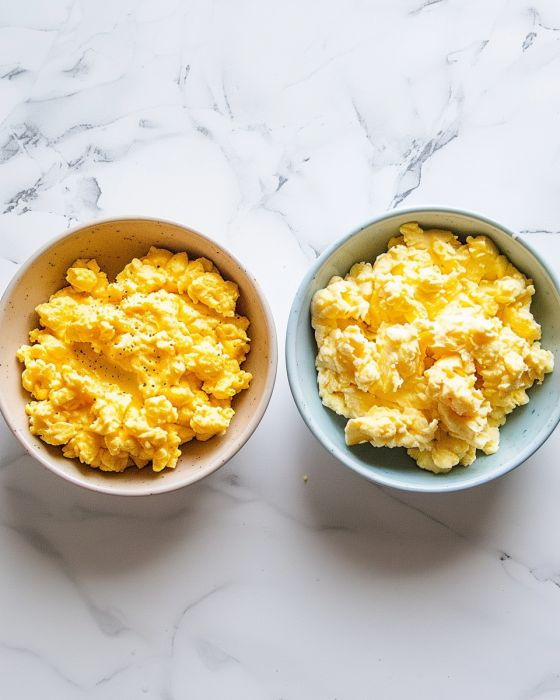
This article will dive deep into both sides of the argument, dissecting the reasons behind each approach to help you decide which method is best for your kitchen. By the end, you’ll have a clearer understanding of how milk impacts scrambled eggs and which technique will work best for your personal preferences.
The Case for Adding Milk to Scrambled Eggs
Many people, including my mother-in-law, are firm believers in adding milk to scrambled eggs. For them, it’s all about enhancing texture, flavor, and even volume. Let’s break down the key arguments for adding milk.
1. Creamier Texture
The primary reason people add milk is to achieve a creamier, softer scramble. When you add milk to the beaten eggs, the extra moisture contributes to a softer curd, resulting in what many describe as a luxurious, almost silky texture. For those who prefer a lighter, fluffier scramble, milk may seem like an essential ingredient.
2. Mellowed Flavor
Eggs have a naturally rich flavor that some find overpowering. Milk can help mellow out the intensity of the eggs, giving them a more neutral and balanced taste. For people who enjoy a milder breakfast, the dairy adds a slight sweetness that tones down the savory richness of eggs, providing a gentler, more palatable dish.
3. Increased Volume
When you’re feeding a crowd, adding milk to scrambled eggs can stretch the number of servings. The liquid expands the volume of the eggs, allowing you to serve more food without using extra eggs. While it may not necessarily improve flavor, it’s a trick that can be helpful when cooking for a large group.
The Case Against Adding Milk to Scrambled Eggs
On the other hand, many purists argue that milk is not only unnecessary but also detrimental to the quality of scrambled eggs. They believe that eggs are best left alone, allowing their natural flavor to shine. Here’s why they’re against adding milk.
1. Diluted Flavor
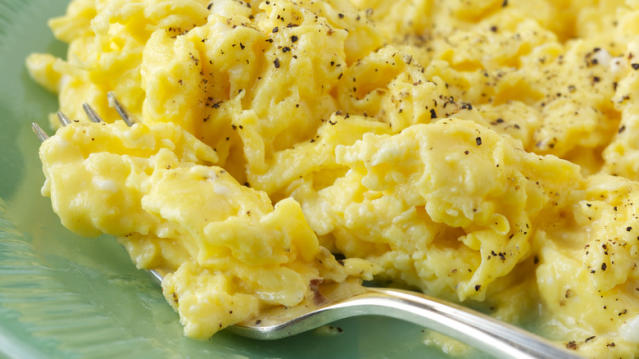
One of the strongest arguments against adding milk is that it dilutes the natural flavor of the eggs. Quality eggs already have a rich, savory taste that can be easily masked by dairy. If you’re someone who appreciates the distinct taste of eggs, you might find that milk overshadows that natural flavor, leaving you with a dish that tastes more like diluted eggs than the real thing.
2. Texture Problems
While proponents of milk argue that it creates a creamier scramble, others claim it can actually lead to a rubbery texture. Eggs that contain too much liquid can take longer to cook, and overcooking them can lead to a tougher, less appealing consistency. Instead of the soft, fluffy eggs you’re aiming for, you could end up with something that feels more rubbery and inconsistent in texture.
3. Unnecessary Ingredient
Another reason people opt out of adding milk is that they feel eggs don’t need any extra ingredients. High-quality eggs already bring enough richness and flavor on their own. Adding milk or any other liquid may feel like tampering with perfection, especially when the goal is simplicity. For many, the key to delicious scrambled eggs lies in using only eggs, butter, and a little salt—no need for extra additives.
The Science Behind It: What Does Milk Do to Eggs?
To understand why the debate is so divided, it helps to dive into the science of scrambled eggs. Eggs contain protein, and when heated, these proteins coagulate, giving eggs their firm structure. When you introduce milk, it essentially dilutes the proteins, which can lead to a softer curd if cooked gently. However, if overcooked, the added moisture can result in an undesirable rubbery texture as the proteins bond more tightly.
Adding milk also raises the water content in the mixture, which increases the time it takes for the eggs to cook. This can make it more challenging to achieve perfectly scrambled eggs without overcooking them.
Alternatives to Milk for Perfect Scrambled Eggs
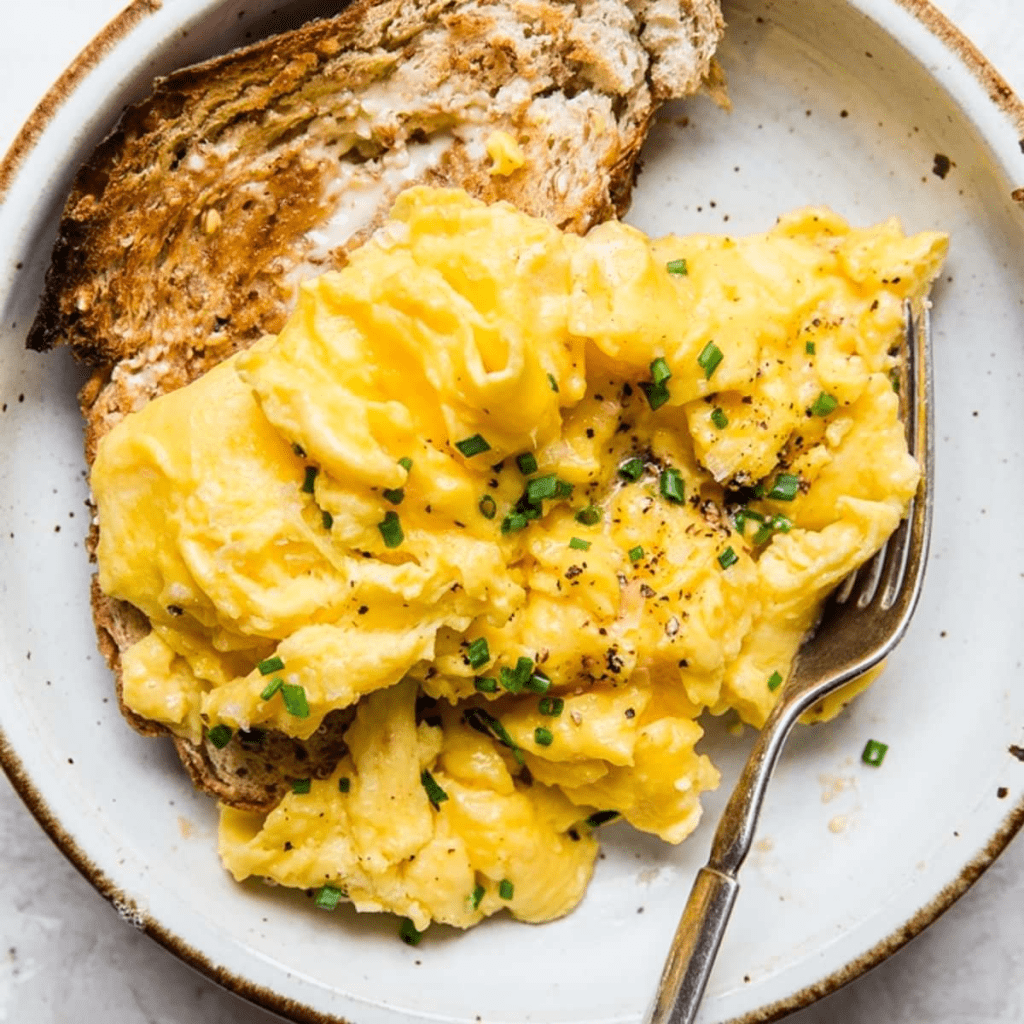
If you’re looking for a way to enhance the texture of your scrambled eggs without using milk, consider the following alternatives:
- Butter: Many chefs recommend adding a small amount of butter to your scrambled eggs. The fat in butter helps create a creamy texture without diluting the flavor of the eggs.
- Cream: For a richer, more decadent scramble, a splash of cream can achieve the same creamy effect as milk but with a bolder flavor.
- Cheese: Adding a bit of grated cheese like cheddar or Parmesan not only adds richness but also elevates the flavor without the need for milk.
How to Make Perfect Scrambled Eggs Without Milk
If you’re on the side of keeping things simple, here’s a foolproof method for making delicious scrambled eggs without milk:
- Crack your eggs into a bowl and whisk until the yolks and whites are fully combined.
- Heat a non-stick pan over medium-low heat and add a small knob of butter.
- Pour the eggs into the pan and let them sit undisturbed for a few seconds.
- Stir gently, pushing the eggs from the edges of the pan to the center.
- Remove the eggs from the heat when they’re still slightly runny, as they’ll continue cooking off the heat.
This method ensures a creamy, rich scramble with no need for milk or extra liquid.
Conclusion: Which Method is Right for You?
At the end of the day, whether to add milk to scrambled eggs boils down to personal preference. Some people love the creaminess and mild flavor that milk adds, while others believe that it dilutes the pure taste of eggs. If you prefer a richer, more flavorful scramble, skipping the milk might be the better choice. On the other hand, if you’re looking for a softer texture and don’t mind a milder flavor, milk could be your go-to addition.
Ultimately, the best way to determine which camp you fall into is to experiment with both methods. Try making scrambled eggs with and without milk and see which version aligns with your taste buds. Cooking, after all, is a personal journey, and there’s no right or wrong—only what you enjoy most.
