Long-term untreated constipation can have serious health repercussions, while appearing to be a small discomfort. The following is a real-life example of how serious chronic constipation can be and why it should never be ignored.
A shocking X-ray image of a patient with long-term constipation.
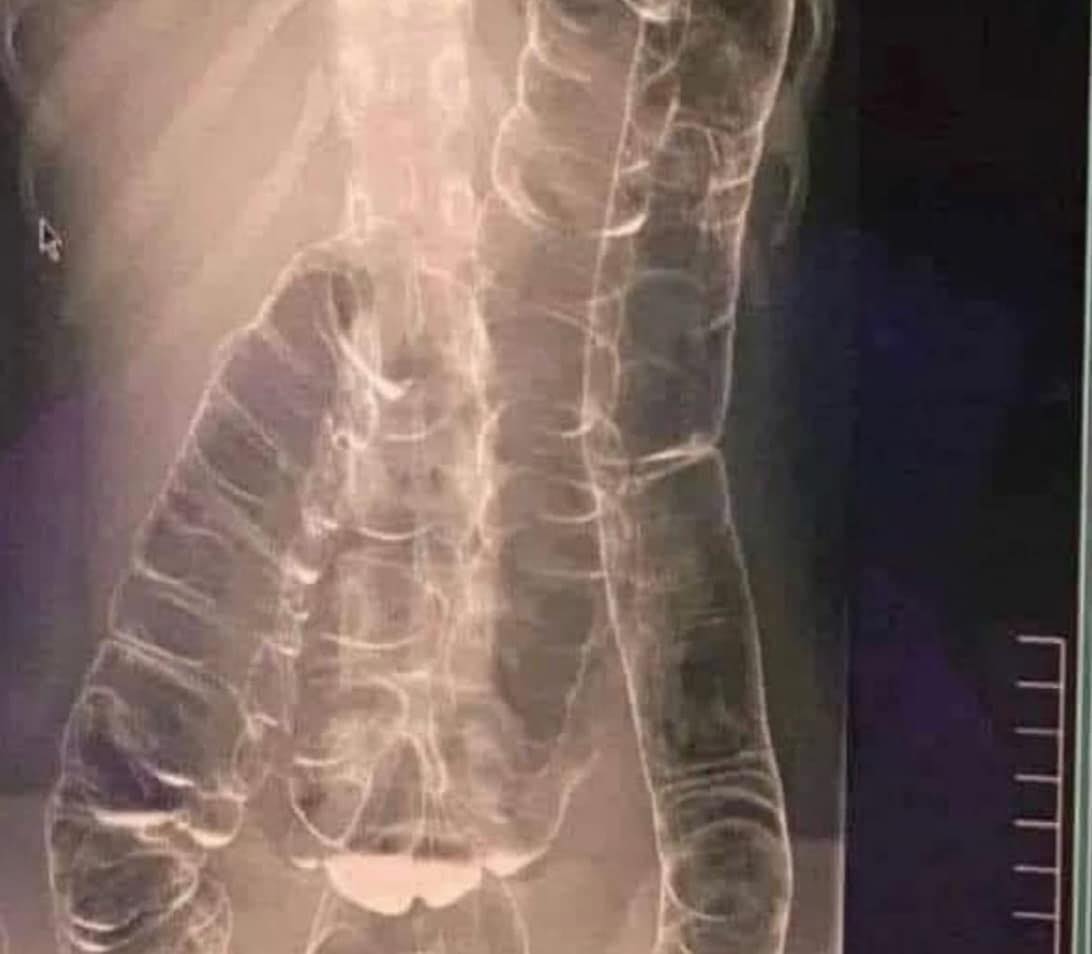 The X-ray image below shows a young woman who had suffered from persistent constipation for many years. Her health worsened and she went more than two weeks without a bowel movement. Concerned, she sought medical care, but received unsettling results.
The Root Cause:
When the digestive system fails to effectively eliminate waste, stool accumulates in the colon, producing discomfort and agony.
The colon’s capacity to store excessive faecal materials increases over time.
The X-ray shows a significant expansion of the colon, which now reaches the chest near the heart.
Excessive bloating and distension have caused the typical folds and wrinkles of the colon to disappear, which are necessary for its function. Ignoring this ailment might have life-threatening complications if not treated promptly.
The Serious consequences of Chronic Constipation and Severe Colon Distension:
When the colon is forced to extend beyond its natural capacity, it progressively loses its ability to constrict and propel faeces forward. This worsens constipation, making it even more difficult for the body to have a normal bowel movement.
• Toxic buildup in the body:
When faeces sits in the colon for too long, poisons and germs can be reabsorbed into the circulation.
This can lead to chronic fatigue, acne, foul breath, bloating, and reduced immunity.
• Haemorrhoids and Anal fissures:
Excessive straining when attempting to pass hard stools can produce haemorrhoids (swollen veins in the rectum), resulting in pain and bleeding. Severe cases can include anal fissures, which are small tears in the anus that cause significant agony during bowel movements.
• Intestinal blockage (or bowel obstruction):
Untreated constipation can lead to intestinal blockage, a potentially fatal condition.
Blockages in the intestines can prevent blood supply, leading to tissue death (necrosis) and infections. In severe circumstances, patients may require immediate surgery to remove the affected portion of their intestine.
• Increased danger of colon cancer:
According to studies, prolonged constipation may be associated with an increased risk of colorectal cancer. The extended presence of faeces in the colon increases exposure to carcinogenic (cancer-causing) chemicals, which causes inflammation and aberrant cell proliferation.
Natural methods for preventing and treating constipation.
Simple lifestyle changes can help prevent constipation. Here is how to keep your digestive system working smoothly:
1. Increase Fibre Intake:
Consume more fruits, vegetables, whole grains, nuts, flaxseeds, apples, seeds. Chia seeds, pears, and prunes are effective natural laxatives.
2. Stay hydrated:
Drink 3-4 litres (12-16 cups) of water daily to soften stools and improve bowel motions.
Warm lemon water in the morning might improve digestion and ease the constipation.
3. Establish a Regular Bathroom Schedule:
Teach your body to go at a same time every day, ideally right after eating.
4. Exercise Frequently:
Movement promotes regular bowel movements and helps to stimulate the intestines. Every day, spend 15 to 30 minutes doing yoga, stretching, or walking.
5. Try Natural Treatments:
Digestion can be eased by consuming warm herbal teas, such as fennel, ginger, or peppermint tea. Magnesium pills and aloe vera juice can also help relieve constipation.
6. Limit Low-Fiber and Processed Foods:
Reduce your intake of red meat, dairy, fried foods, fast food, and refined carbohydrates (white bread, pastries, and sugary snacks). These meals cause stiff stools by slowing down digestion.
Important Note:
You should start closely monitoring your diet and lifestyle if you haven’t had a bowel movement in two to three days. Seek medical help right away if your constipation lasts longer than a week or if you have extreme discomfort, bloating, vomiting, or blood in your stool.
Final thoughts:
Constipation can cause major health issues if not handled. Taking preventive efforts to support your digestive system helps prevent issues and maintain gut health. Your health begins with little everyday behaviours, so listen to your body!
