Could Judgement Day be closer than we think? If an ancient, 900-year-old Vatican manuscript is to be believed, the answer might be a chilling yes.
A long-lost prophetic text, reportedly buried deep within the Vatican archives, is said to reveal the exact year when the so-called Day of Judgement will occur.
The book in question, Prophecy of the Popes, was authored in the 12th century by Irish bishop Saint Malachy. It claims to map out the succession of popes from Celestine II, who took the papacy in 1143, all the way to the current leader of the Catholic Church, Pope Francis.
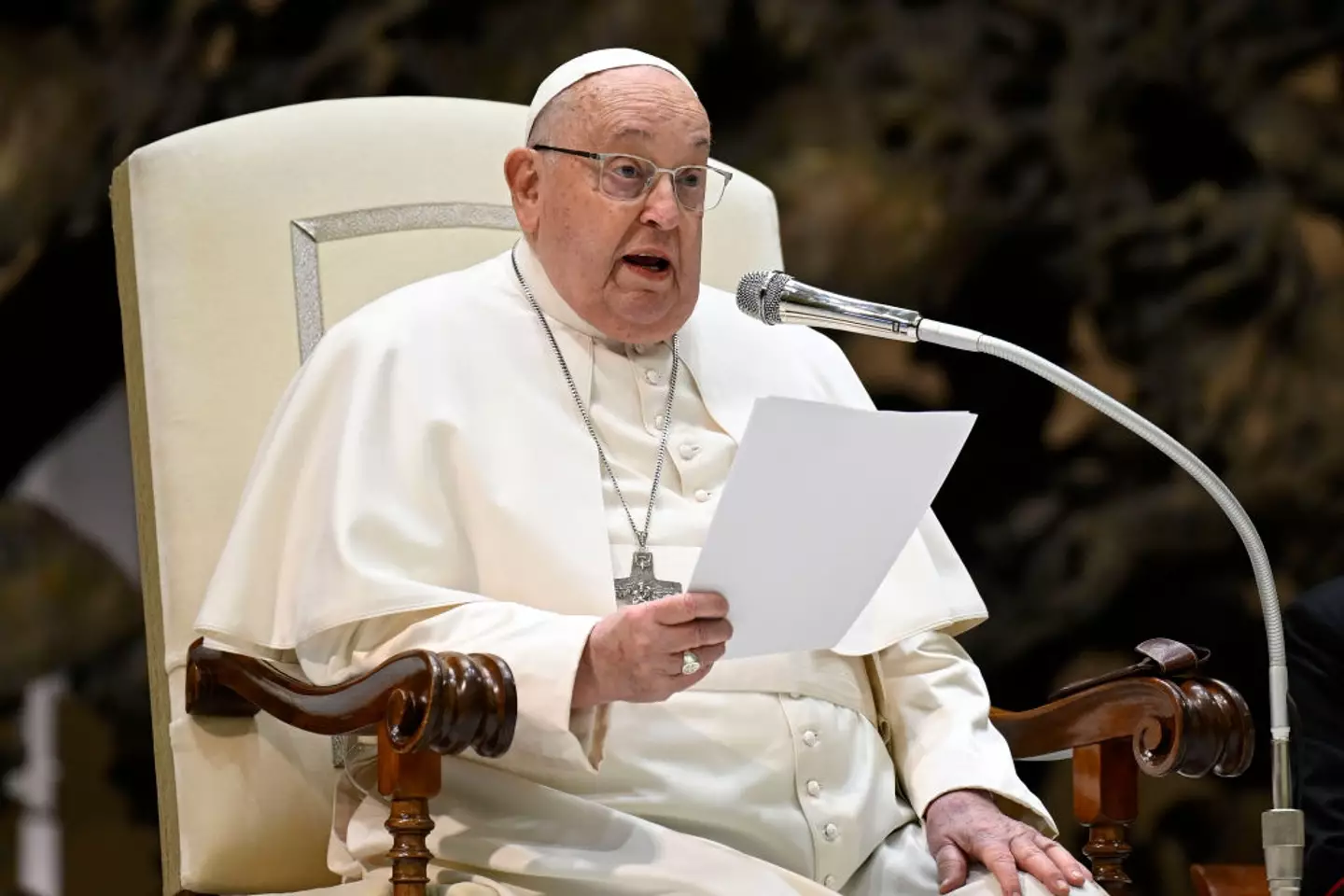
Notably, the book appears to stop at Pope Francis.
Originally unearthed in 1590, the text contains 112 brief Latin descriptions identifying each pope. More unsettling, however, is its claim to predict the return of Jesus to Earth—an event that, according to Christian belief, will mark the final judgement, determining who ascends to heaven and who is condemned to eternal damnation.
Saint Malachy’s timeline for this apocalyptic event? Just two years away—set for 2027. However, he left out the exact date.
The prophecy’s final passage is particularly ominous, stating:
“In the final persecution of the Holy Roman Church, Peter the Roman will reign, tending to his flock amid great tribulations. After this, the seven-hilled city will be destroyed, and the terrible Judge will judge His people. The End.”
This cryptic statement, reported by The Daily Star, has fueled speculation that someone named Peter could be Pope Francis’ successor. The 88-year-old pontiff is currently grappling with serious health issues, including acute respiratory failure, leading some to question whether the prophecy is on the verge of fulfillment.
Past predictions from Saint Malachy’s book have eerily aligned with history. For example, Pope John XXII (1316-1334) was described as “de sutore ossed,” which translates to “from the bony shoemaker.” Coincidentally, John XXII was the son of a shoemaker, and his family name, Ossa, means bone.
Another striking match is the phrase “lilium et rosa”, which was associated with Pope Urban VIII (1623-1644), whose family coat of arms prominently featured lilies and roses.
One of the most astonishing prophecies pointed to “De labore Solis”, meaning “of the labor of the sun”. Pope John Paul II (who led from 1978 to 2005) was—remarkably—born during a solar eclipse in the 1920s.
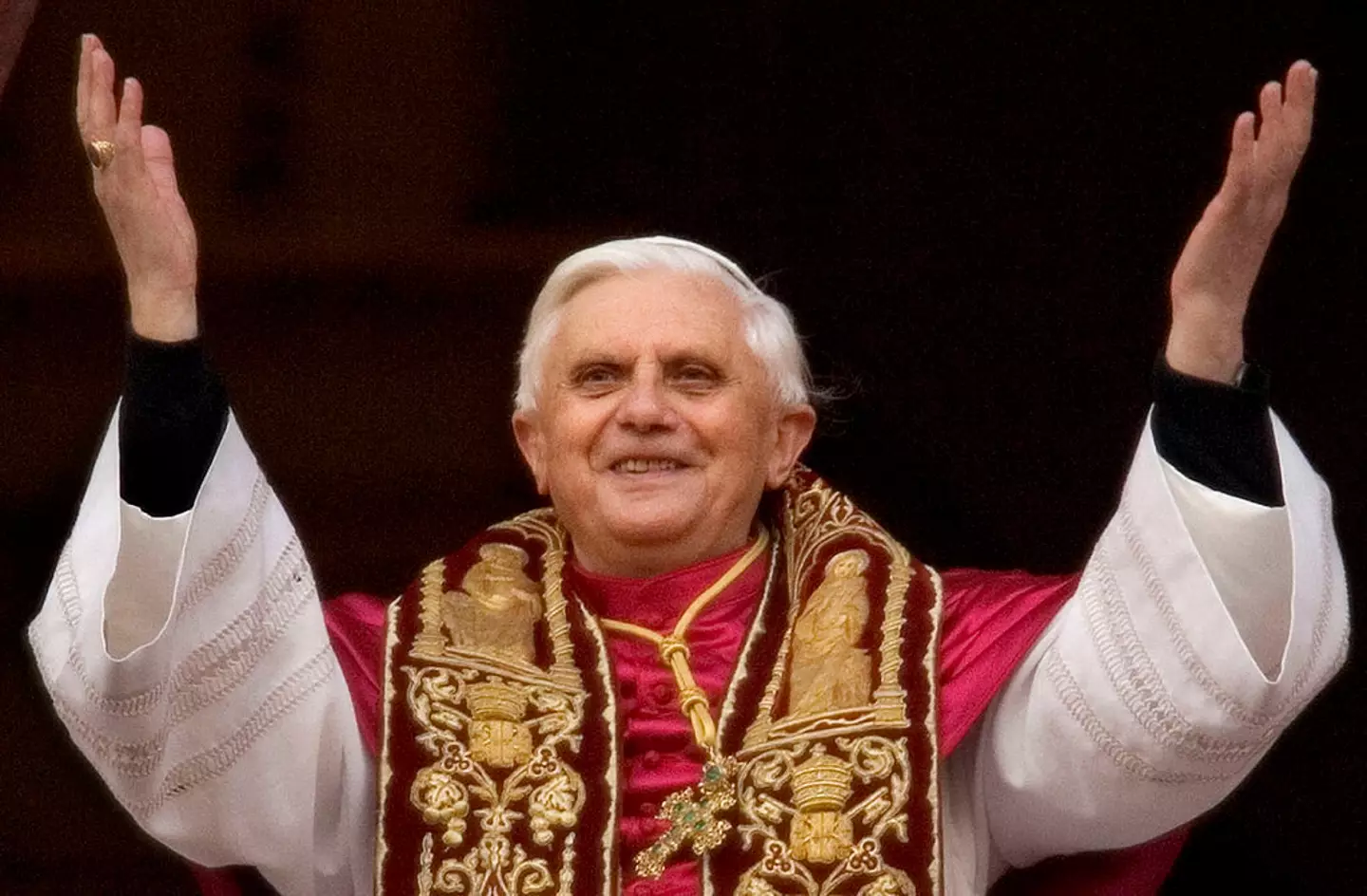
Malachy also predicted the 111th pope would be “Gloria Olivae” (“Glory to the Olive”). This appeared to align with Pope Benedict XVI (2005-2013), as the Order of Saint Benedict is also known as the Olivetans.
Despite these seemingly uncanny predictions, many scholars argue that the text is a forgery, likely created for political purposes in the 16th century. They point out that after a certain period, the descriptions become noticeably vague and open to interpretation.
Even the Catholic Church has acknowledged that while a handful of predictions have been surprisingly accurate, many others have fallen flat.
So, is Prophecy of the Popes a genuine glimpse into the future, or just an elaborate hoax? If Malachy’s forecast holds true, we may not have to wait long to find out.
