I’m scared of wasps! Okay, I’ll be fully honest with you, I’m scared of almost everything that can bite me, even if they are the tiniest bugs. And to be even more honest, I am terrified of all bugs, and it doesn’t matter if they bite or not. They are disgusting, scary with their tiny wings! I appreciate and respect their role in our ecosystem but what are you gonna do, this girl is a scaredy cat! I love bees though. That doesn’t mean I am not scared of their stingers, but still, their role is implacable for our planet Earth. But when it comes to wasps? Oh, they are the worst! Maybe I am being too dramatic because I’ve been stung one or three times by them and trust me, I don’t want that to happen any more. Their stings hurt so bad and I know many people have allergies to their bites too. So if you are just as scared as me, or maybe you’re not, but you’ll still find this information helpful, let’s dive into what exactly you should do when a wasp stings you.
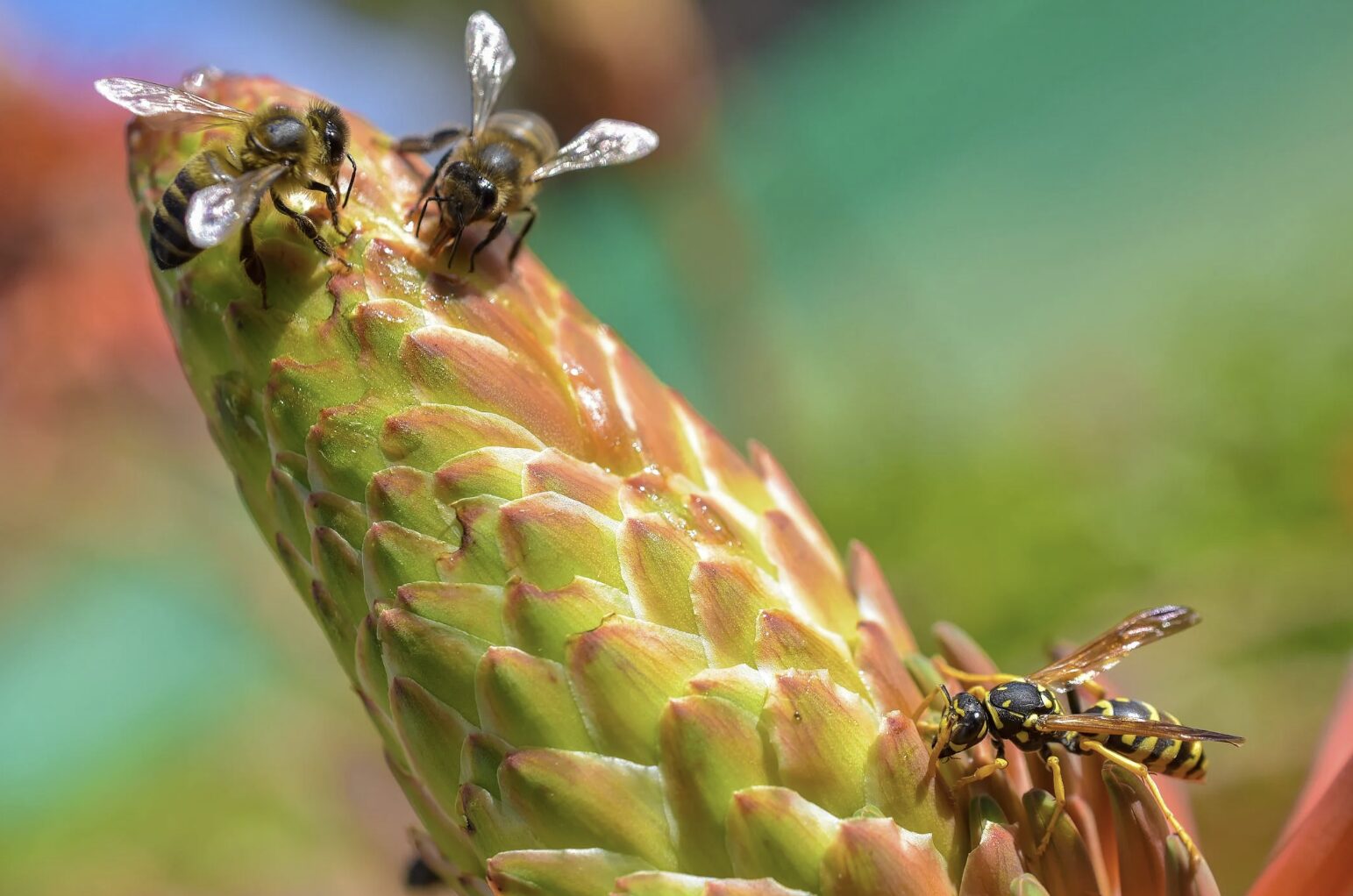
First off, let’s clear some confusion: wasps sting, they don’t bite. Well, unless you’re a tiny insect that they’re planning to eat, but that’s a story for another day. Their sting is a defense mechanism, designed to protect them from predators. And unlike bees, wasps don’t lose their stingers, so they can sting you multiple times, adding insult to injury, literally. They’re pretty aggressive, especially if they think you’re threatening their nest. They’ve been known to attack domestic bee colonies too, causing a ruckus in the insect world.
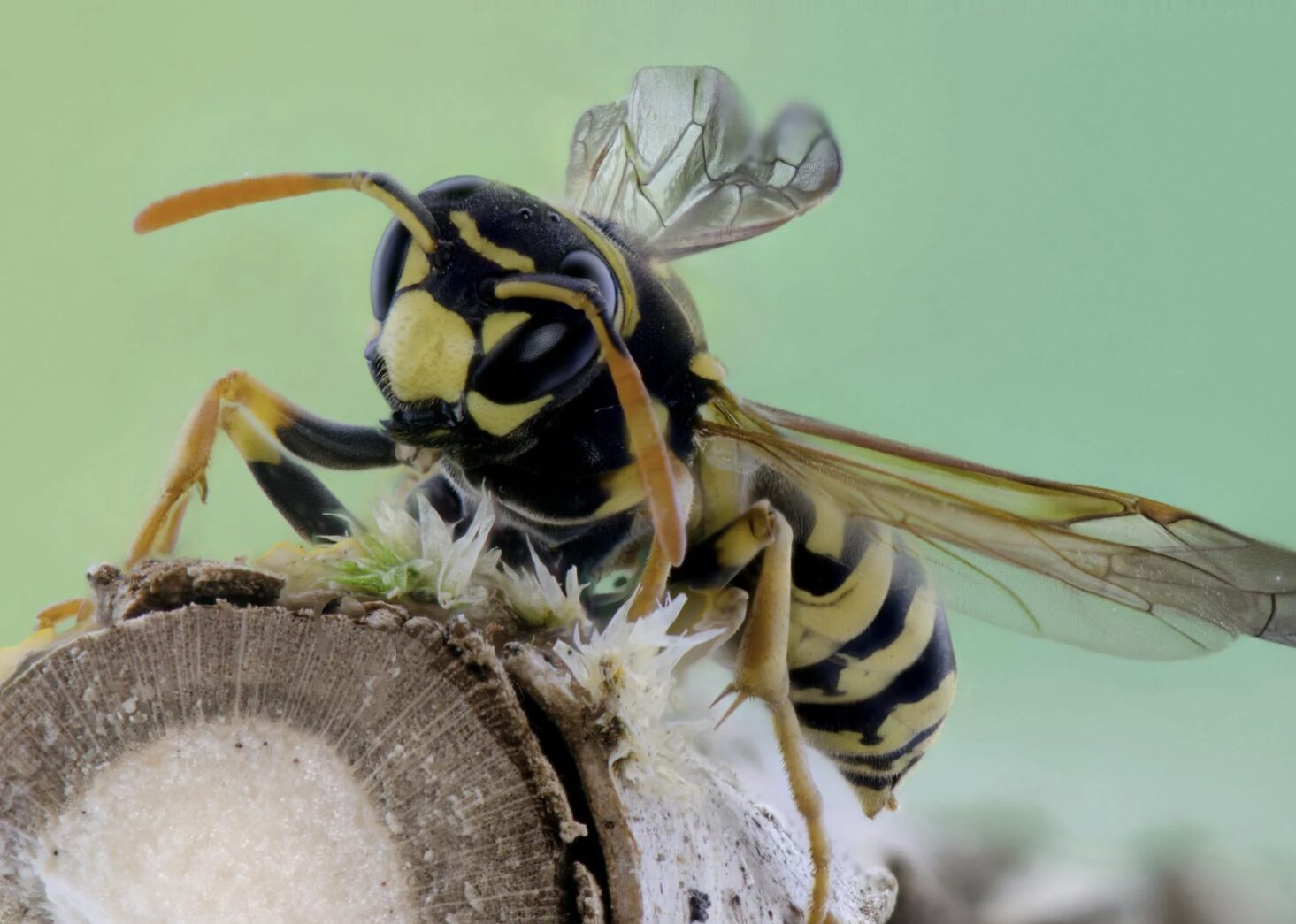
The main difference between bees and wasps isn’t just in their temper. Bees generally die after stinging because their stingers are barbed and get stuck in your skin, pulling their digestive tract out with it. Wasps, on the other hand, have smooth stingers. They’re like the hit-and-run offenders of the insect world. Plus, wasps tend to be leaner and shinier, with less fuzz than their bee cousins.
The symptoms of a wasp sting can vary from person to person. Most people experience pain, swelling, and redness around the sting site. Some might have a more severe reaction, showing signs of an allergic reaction like difficulty breathing, swelling of the face or mouth, or even anaphylaxis, which is a medical emergency.
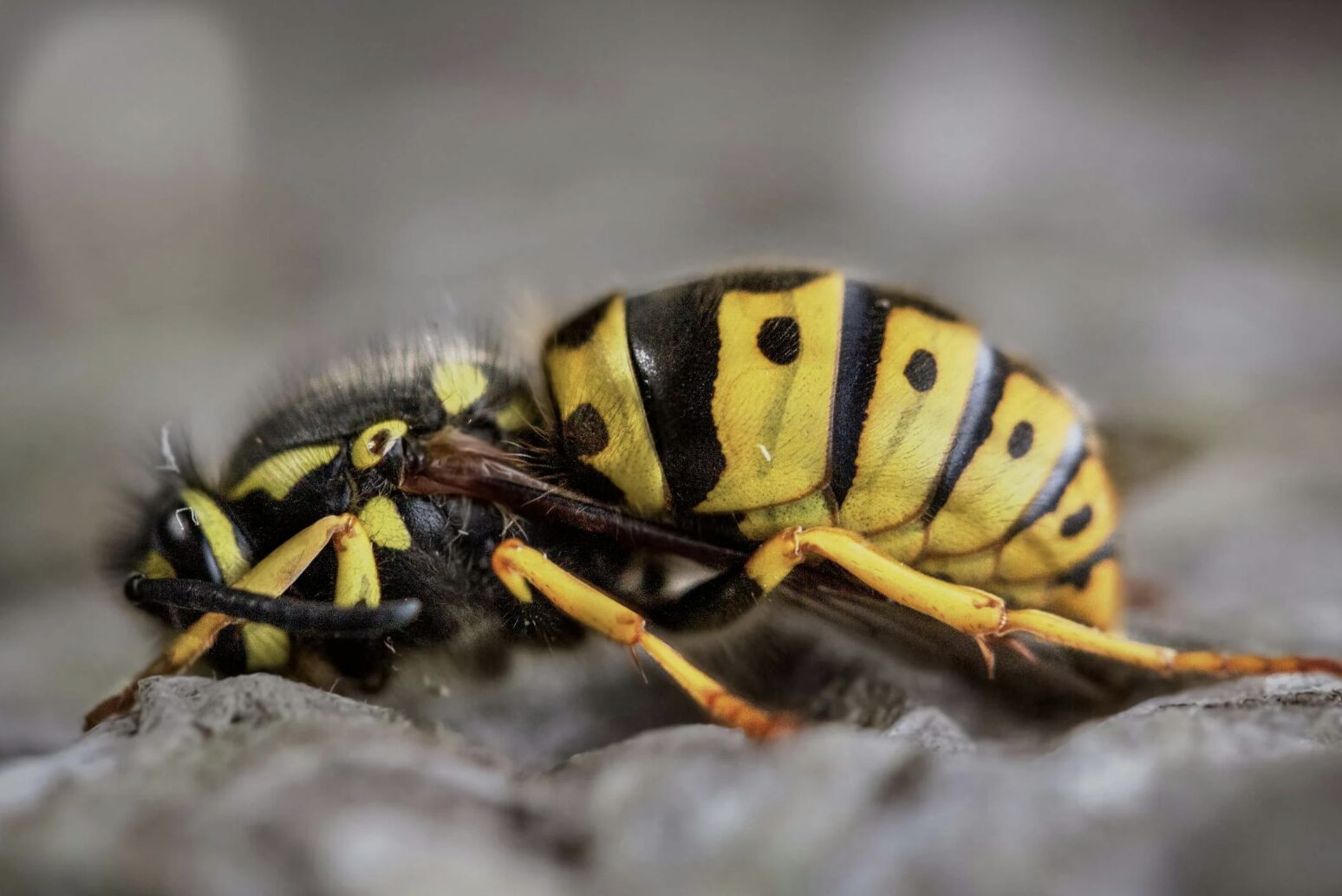
So, what do you do when a wasp decides to make you its target? Here’s my go-to plan of action, learned the hard way from personal experiences and endless internet searches during my moments of panic:
- Stay Calm and Move Away: Easier said than done, right? But panicking and flailing your arms only makes you more of a threat. Move away calmly and find a safe place.
- Remove the Stinger ASAP: If the wasp has left its stinger in your skin, which is rare but can happen, gently scrape it out with a fingernail or a credit card. Avoid using tweezers as squeezing the stinger can inject more venom.
- Clean the Area: Wash the sting site with soap and water to prevent infection. This simple step is crucial.
- Apply Cold: A cold pack or a bag of frozen peas wrapped in a cloth can reduce swelling and numb the pain. Just don’t apply ice directly to your skin.
- Pain Relief: Over-the-counter pain relievers can help manage the pain, while antihistamines can reduce itching and swelling. Always follow the directions on the label.
- Monitor for Allergic Reactions: This is especially important if you’ve never been stung before. If you experience difficulty breathing, dizziness, or a rapid heartbeat, seek medical help immediately.

For those who find themselves frequently in the line of fire, wasp prevention can be key. Avoid wearing strong perfumes or bright colors that attract wasps. Keep food and drinks covered outdoors, and be vigilant about sealing trash cans. If you find a nest near your home, consider calling a professional to remove it rather than attempting a DIY eviction.
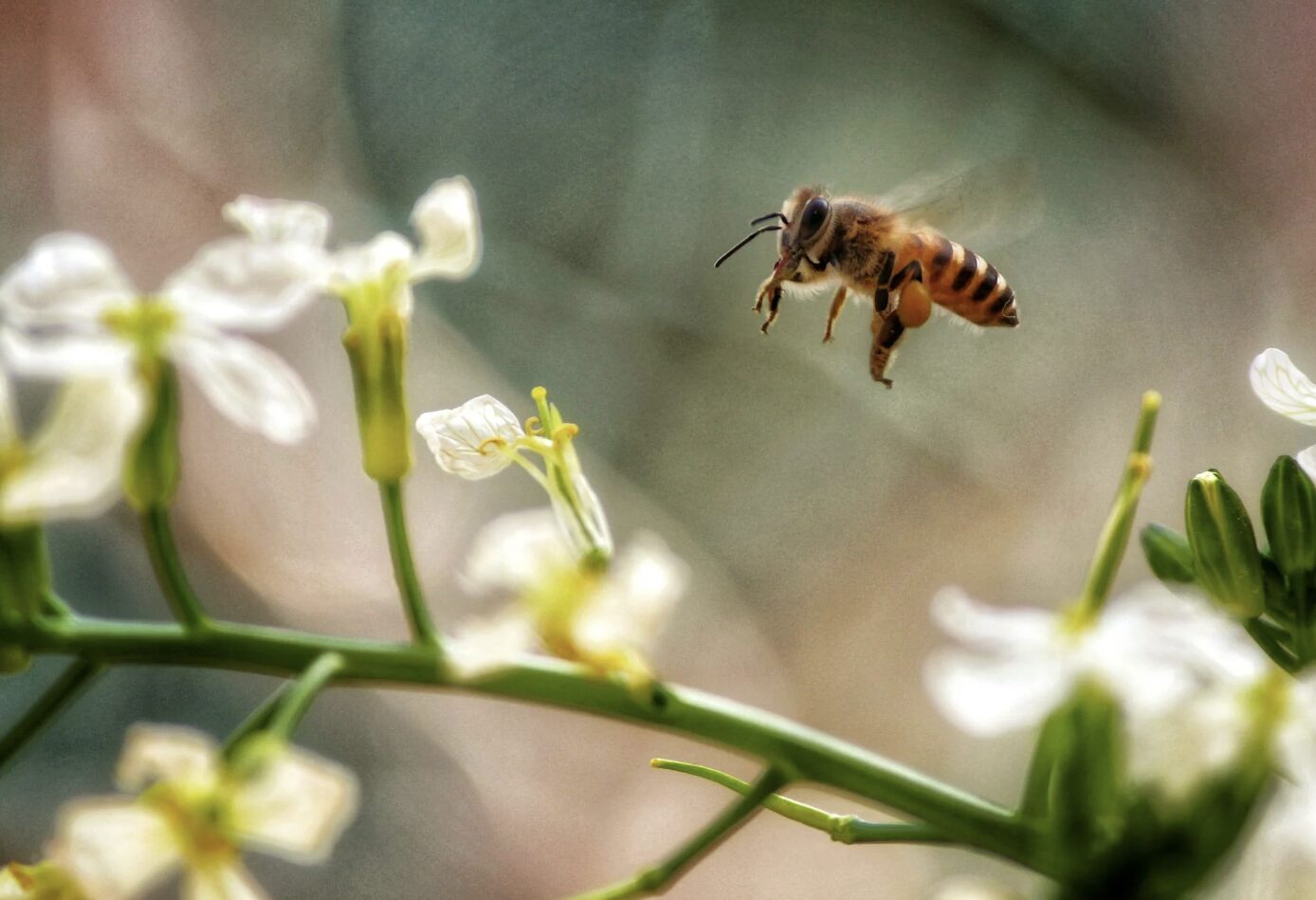
My run-ins with wasps have taught me respect for these creatures and the importance of knowing how to react to their stings. While I’d happily live in a world where my interaction with them is limited to watching them from a safe distance, being prepared for the occasional sting helps keep my fear in check. And remember, while wasps may seem like the villains in our backyard dramas, they play their own role in controlling pests and pollination. So, here’s to a peaceful coexistence – from a respectful distance, of course.
