Bob Weir, the eternal rhythm of the Grateful Dead, has taken his final bow.
The guitarist, vocalist, and founding member of one of America’s most influential rock bands died peacefully surrounded by loved ones, according to a statement shared on his official website and social media.
He was 78.
Battled cancer
Weir had “courageously” battled cancer after being diagnosed in July and had recently completed treatment. While he beat the disease, the statement said he ultimately succumbed to underlying lung issues.
His passing marks the end of a six-decade journey that reshaped live music, community, and what it meant for a band and its audience to grow old together.
For Bob Weir, the road never truly ended.
Just weeks after beginning cancer treatment, he returned to the stage last summer at Golden Gate Park in San Francisco, reuniting with the remaining members of the Grateful Dead for a series of historic concerts celebrating the band’s 60th anniversary. It was classic Weir — showing up, playing through, and letting the music speak.
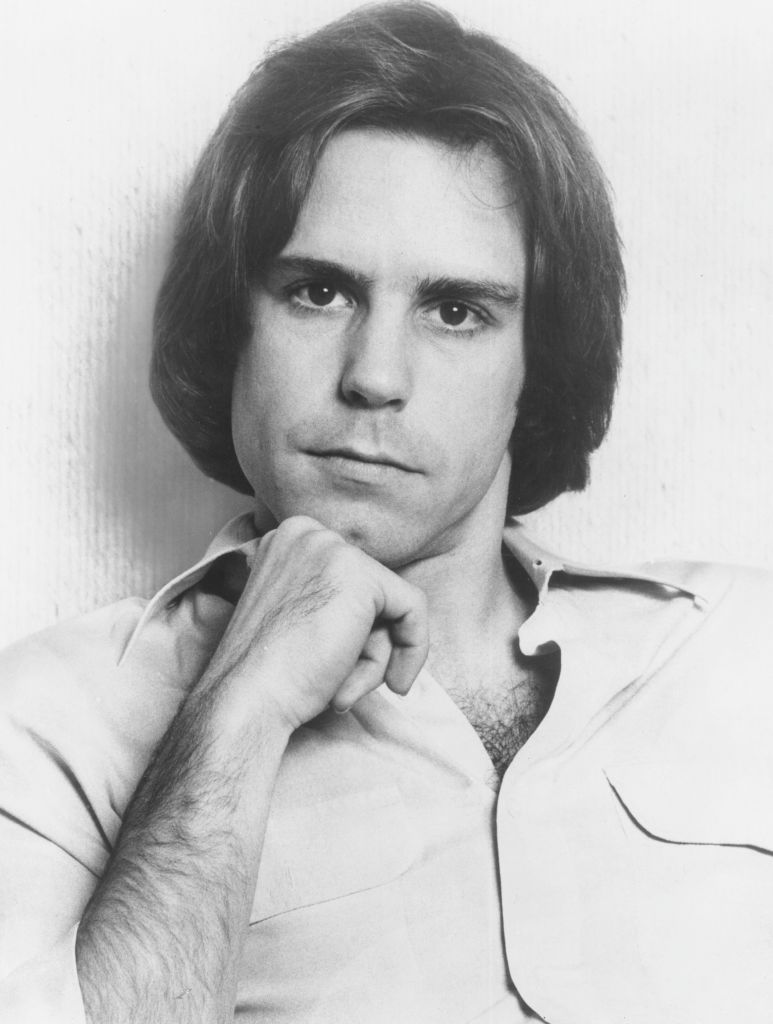
He was the youngest member of the Dead, joining as a teenager in the early 1960s after following the sound of a banjo into a Palo Alto music store. Inside, he met Jerry Garcia. They played music together all night. By morning, a bond had formed — and soon after, a band that would change American music forever.
Originally known as The Warlocks, the group evolved into the Grateful Dead, becoming inseparable from the Haight-Ashbury scene, the LSD-fueled Acid Tests, and a generation searching for meaning beyond convention.
“With the Acid Test, we learned so much about living in each other’s heads, hearts, and bodies,” Weir once said. “Our concept of what constitutes music expanded greatly at that time.”
Wrote some of the band’s best songs
What followed was unlike anything rock music had seen.
The Dead became famous not for radio hits, but for the experience — endlessly shifting set lists, marathon jams, and a willingness to let songs wander wherever the night took them. Weir’s singular rhythm guitar style — angular, unpredictable, and deeply musical — was the glue that held those explorations together.
He helped write some of the band’s most enduring songs: “Sugar Magnolia,” “Truckin’,” “Cassidy,” and “Throwing Stones.” His work, the family wrote, “did more than fill rooms with music; it filled the soul — building a community, a language, and a feeling of family that generations of fans carry with them.”
Deadheads followed the band from city to city, taping shows, trading recordings, and forming a culture that thrived outside the mainstream. From Woodstock to massive solo shows like Englishtown, New Jersey in 1977, the Dead proved that music didn’t need hooks to hook people — it needed honesty.
The vessel keeping the music alive
After Jerry Garcia died in 1995, many believed the Grateful Dead’s story had come to an end. Bob Weir never saw it that way. If Garcia was the soul of the band, Weir became the vessel that carried its music forward long after 1995.
He kept the music alive through multiple incarnations — The Other Ones, The Dead, Dead & Company — eventually inviting a new generation aboard with guitarist John Mayer. Their tours, including the Sphere residency in Las Vegas, drew both longtime Deadheads and newcomers discovering the magic for the first time.
“It’s the same kind of person,” Weir once said of the fans. “They like a little adventure in their lives, and they want to hear adventure in their music.”
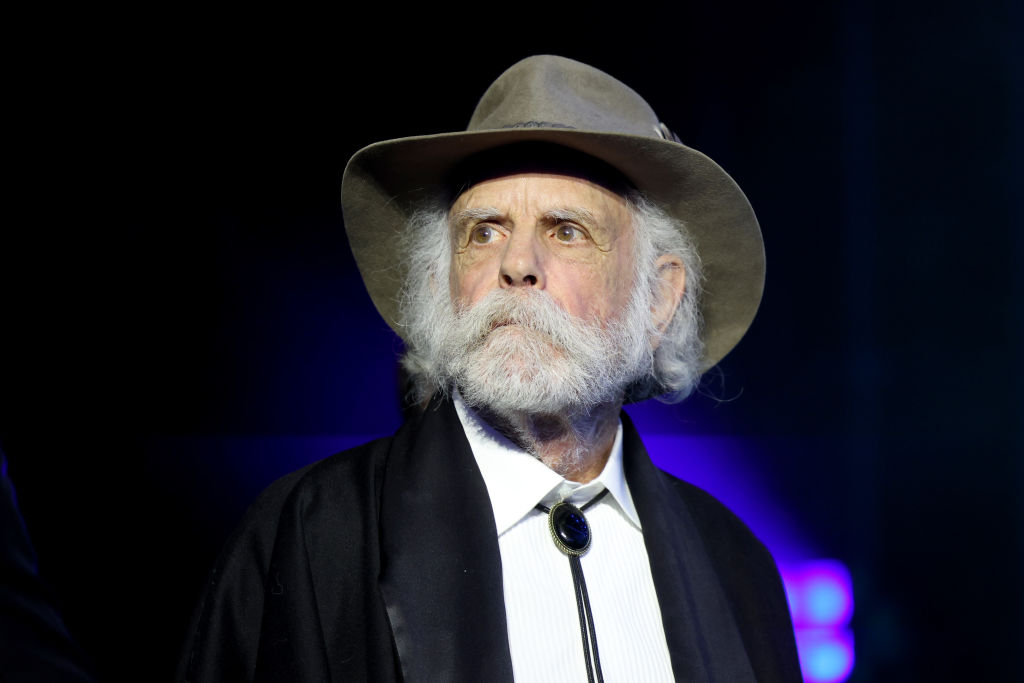
Mayer later described Weir as a musical original — a guitarist who “invented his own vocabulary,” one that only fully revealed itself when you listened closely.
Beyond the stage, Weir was known for his activism, his vegetarianism, and his belief that music could be a force for connection and compassion. He often spoke of the Grateful Dead’s legacy, imagining the songs living on for hundreds of years.
“May that dream live on through future generations of Deadheads,” his family wrote. “And so we send him off the way he sent so many of us on our way: with a farewell that isn’t an ending, but a blessing. A reward for a life worth livin’.”
Bob Weir is survived by his wife, Natascha Münter, and his daughters, Monet and Chloe, who have asked for privacy.
For six decades, he helped millions find that place where the audience and the music meet — “that hole in the sky,” as he once called it.
Now, he’s gone through it first.
And the music rolls on. 🌹 RIP Bob!
